
By Sean Garmory, Senior Lawyer
Background
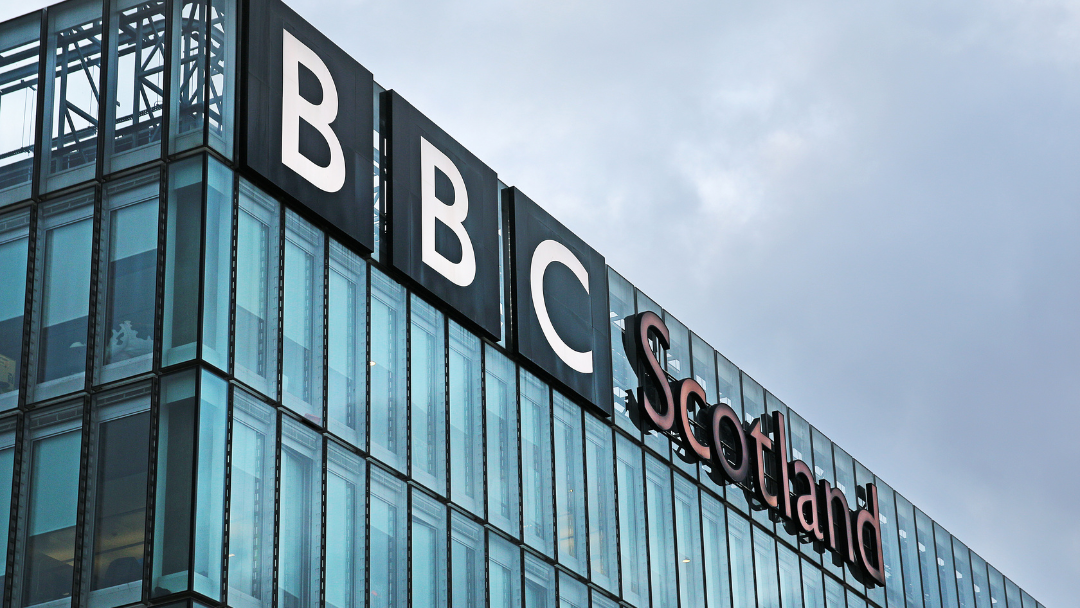
Marguerite Andrea Cunningham had worked for the British Broadcasting Corporation (BBC) since 1987 as a television presentation announcer/director for BBC Scotland. In March 2023, she informed management that she had been diagnosed with type 2 diabetes and was experiencing fatigue. Occupational health advice led to temporary adjustments to her shift pattern, including removal from some early and late shifts. However, she continued to work the BBC Scotland late shift, which ended at 12.30am.
Ms Cunningham argued that the irregular shift pattern exacerbated symptoms linked to her diabetes, particularly fatigue and disrupted sleep. In June 2023, she raised concerns that the late shift was affecting her health and requested further adjustments. Occupational health later advised that she should not work shifts ending on or after midnight. Despite this, the BBC maintained that the existing arrangements were appropriate whilst it sought clarification on the advice received.
Separately, Ms Cunningham became the subject of a disciplinary investigation following a broadcast error in June 2023, when a live news bulletin began before she had taken control of the transmission. Although no formal disciplinary action was ultimately taken, she brought claims for discrimination arising from disability under s.15 Equality Act 2010 in relation to the disciplinary process, and for failure to make reasonable adjustments under ss.20 and 21 in relation to the BBC Scotland late shift. The Employment Tribunal dismissed both claims, finding that the BBC neither knew nor could reasonably have been expected to know that she was disabled during the relevant period and that it had taken reasonable steps to accommodate her circumstances.
Ms Cunningham appealed to the Employment Appeal Tribunal (EAT), contending that the tribunal had:
- applied the wrong legal approach to the issue of knowledge of disability;
- failed properly to consider whether removing her from the BBC Scotland late shift would have been a reasonable adjustment; and
- erred in finding that Ms Cunningham’s disability did not play a role in the error of 7 June 2023.
Outcome
The EAT allowed the appeal in part.
It held that the tribunal had erred in law when assessing whether the BBC knew, or ought reasonably to have known, that Ms Cunningham was disabled. The EAT found that the BBC was aware of her type 2 diabetes, her fatigue, the impact of those symptoms on her working life, and occupational health recommendations referring to reasonable adjustments. Taken together, this information should have prompted further enquiries, and any reasonable tribunal would have concluded that the BBC knew or ought reasonably to have known that Ms Cunningham was disabled during the relevant period. The EAT therefore substituted a finding that the BBC could not rely on the statutory defence of lack of knowledge.
The EAT also upheld Ms Cunningham's appeal on reasonable adjustments. It found that the tribunal had failed properly to consider her specific case that she should have been excused from the BBC Scotland late shift and given a more stable working pattern. The tribunal focused on whether a fixed daytime rota would have been reasonable but did not adequately assess the disadvantage Ms Cunningham faced, nor address whether removing the late shift alone would alleviate this disadvantage or would be a reasonable step in light of occupational health advice and her repeated concerns. That aspect of the reasonable adjustments claim was therefore remitted to a freshly constituted tribunal for reconsideration.
However, the EAT rejected Ms Cunningham's challenge to the tribunal's finding that her disability did not materially cause the broadcast error that triggered the disciplinary process. The tribunal had been entitled to assess the evidence and conclude that there was insufficient proof that fatigue, linked to her diabetes, caused the mistake. The EAT held that this was not a perverse finding and therefore dismissed that ground of appeal.
Comments / Key takeaways
This judgment provides an important reminder that employers cannot rely uncritically on occupational health reports for actual or constructive knowledge of disability. Where employers possess information suggesting that an employee may satisfy the statutory definition of disability, they may be under a duty to make further enquiries rather than simply relying on ambiguity or gaps in occupational health advice.
The decision will be particularly relevant in cases involving long-term health conditions such as diabetes. The EAT emphasised that employers must consider the facts they already know about an employee's condition, the impact of its symptoms and its likely duration, rather than focusing solely on whether there has been a formal declaration, such as via occupational health, that the employee is disabled under the Equality Act 2010.
The case also highlights the importance of identifying and assessing the precise adjustment sought. Tribunals must engage with the specific adjustment proposed and evaluate whether it would alleviate any disadvantage experienced by the worker. A failure to address the specific adjustment advanced by the claimant may amount to an error of law.
For trade unions and workplace representatives, the judgment underlines the importance of documenting the impact that working arrangements have on a member's health and ensuring that requests for reasonable adjustments are clearly articulated. Where occupational health advice supports a particular adjustment, employers may face difficulty justifying a refusal unless they can demonstrate that they have properly considered and investigated the specific recommendation.
Marguerite Andrea Cunningham v British Broadcasting Corporation [2026] EAT 92
